How to Get Sanding Dust Out of the Air: A Practical Guide
Discover practical steps to remove sanding dust from the air, protect your home, and improve air quality with ventilation, filtration, and cleanup tips from SanderSavvy.


Goal: remove sanding dust from the air efficiently and safely. You’ll learn practical ventilation, filtration, containment, and cleanup steps that reduce airborne particles. Start by improving airflow with exhaust or a portable fan, use HEPA or high-efficiency filters, seal the work area, wear a dust mask, and follow safe cleanup practices.
Understanding How to Get Sanding Dust Out of the Air
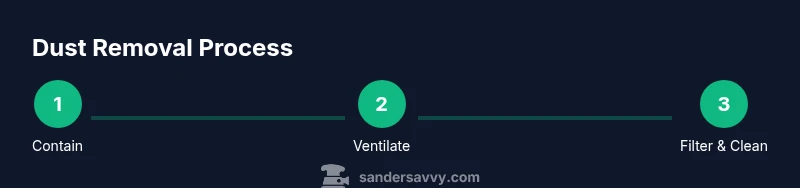
Sanding projects generate a range of airborne particles, from fine wood dust to tiny plaster or drywall fragments. Knowing how to get sanding dust out of the air starts with recognizing where dust originates and how particles behave in a typical home workshop. Larger chips settle quickly, but fine dust can linger and become resuspended with movement, temperature shifts, or HVAC cycles. To protect your lungs and maintain a cleaner indoor environment, begin with three core ideas: containment, ventilation, and filtration. Containment means isolating the work area with plastic sheeting and doors that minimize dust migration. Ventilation involves moving air through the space so particles are carried away from your breathing zone. Filtration uses a dedicated air cleaner or a high-efficiency purifier to capture fine particles as they pass through. By combining these elements, you start to shift your space from a dusty zone to a safer, easier cleanup environment. Throughout the process, remember that the goal is not perfection but a meaningful reduction in airborne dust, which makes subsequent sanding and finishing safer and less messy.
Quick Wins to Immediately Improve Air Quality
Some improvements can be implemented in minutes and deliver noticeable results. First, close off the work area from the rest of the home by sealing doors with plastic sheeting and tape. Second, boost ventilation by running a ceiling or portable fan toward an open window or exterior vent, so air moves outward rather than recirculating. Third, place a HEPA-equipped air purifier near the dust source to capture particles before they spread. Fourth, wear a properly fitted respirator or N95 mask and protective eyewear. Fifth, damp-clean nearby surfaces with a microfiber cloth to trap dust rather than push it around. These quick wins reduce exposure while you complete more thorough containment and cleaning steps.
Ventilation Strategies for Dust Control
Effective dust control starts with deliberate airflow. Position exhaust fans or portable blowers to pull air away from your breathing zone and toward an exterior opening. If possible, create a slight negative pressure by exhausting more air than you bring in, which helps prevent dust from seeping into adjacent rooms. Avoid running the sanding operation with doors fully open to the rest of the house, which can spread particles widely. Instead, seal gaps around doors with weatherstripping or plastic. When weather permits, open an exterior window on the opposite side of the room to encourage cross-ventilation, but keep the dust source contained. In small rooms, consider temporary air barriers and a dedicated dust collection hood close to the work area to capture the majority of particles at the source.
Filtration and Air Cleaners: What Works
Filtration is a key second line of defense after containment and ventilation. A high-quality HEPA air purifier placed near the dust source can trap fine particles before they recirculate. Look for units with a true HEPA filter and a CADR rating appropriate for your room size. Do not rely on low-cost purifiers that claim “HEPA-like” performance. If you use a portable vacuum, ensure it has a HEPA exhaust and never use it for dry sweeping of fine dust—that can re-aerosolize particles. For best results, run the purifier continuously during sanding and for a period afterward to capture residual particles. In spaces with multiple sources of dust, consider pairing purifiers and upgrading to a larger unit or multiple smaller units for even coverage.
Dust Containment and Work Area Setup
Containment is your first line of defense. Erect a sturdy barrier using painter’s plastic sheeting and tape to seal off the work zone from the rest of the home. Close doors, cover gaps with draft stoppers, and lay down drop cloths or disposable plastic coverings on the floor to catch falling dust. Keep the dust-producing tools within the contained area and direct air away from sensitive zones like living spaces or bedrooms. Establish a simple workflow: set up barrier, perform sanding, then immediately move tools and waste to a contained waste bag or sealed container. This approach minimizes cross-contamination and makes cleanup faster.
Cleaning Methods for Surfaces and Tools
Efficient cleaning reduces the risk that settled dust will become airborne again. Begin with damp-dusting and damp mopping rather than dry sweeping, which can loft settled dust into the air. Use microfiber cloths or static-cling dusters to trap particles rather than scattering them. Empty vacuum bags or canisters outside the living area and dispose of contents promptly in a sealed bag. For tools, wipe blades and sanding discs with a damp cloth to remove dust before storage. After the job, perform a final surface wipe-down of all horizontal surfaces in the work zone and run the air purifier for an additional 30–60 minutes to capture lingering particles.
Safety Considerations and PPE
Personal protective equipment is essential when dealing with sanding dust. Wear a properly fitted N95 or equivalent respirator, safety goggles, and disposable gloves during sanding and cleanup. If you have allergies or asthma, consider a higher protection level and avoid prolonged exposure. Ensure proper storage of PPE after use and follow manufacturer recommendations for replacement filters. Keep a first aid kit on hand and avoid eating or drinking in the work area to minimize accidental ingestion of dust. Maintain good eye and skin protection and take breaks to minimize fatigue and exposure.
When to Seek Professional Help or Advanced Systems
If you’re tackling large renovations or working with materials that release hazardous dust (like asbestos-containing compounds), professional remediation is advised. For ongoing projects in older homes or spaces with limited ventilation, you may benefit from a dedicated dust extraction system or a more robust temporary HVAC setup. If you notice persistent dust migrating to living spaces despite containment and filtration efforts, consult a professional to assess sealing integrity, filtration capacity, and potential duct contamination.
Tools & Materials
- HEPA air purifier(Choose a unit appropriate for room size; aim for true HEPA and continuous operation.)
- Portable exhaust fan or box fan(Use to create outward airflow toward an exterior opening.)
- Dust barrier plastic sheeting(Seal doors and create a contained work zone.)
- Painter's tape(Secure plastic barriers and prevent leaks at edges.)
- Vacuum with HEPA filter(Use only on dry dust; empty outside the home in a sealed container.)
- Damp microfiber cloths(For safe dust removal from surfaces.)
- N95 respirator or equivalent(Ensure proper fit and replace filters as recommended.)
- Safety goggles and gloves(Protect eyes and skin during sanding and cleanup.)
- Mop and bucket or microfiber mop(Use for final floor cleaning after dust has settled.)
Steps
Estimated time: Total time: 1.5–3 hours depending on room size and dust load
- 1
Set up contained work zone
Place plastic sheeting to seal off the room or area. Tape edges to walls and doors, creating a defined dust barrier. This reduces migration of particles into adjacent spaces.
Tip: Do a quick test by lightly brushing a surface; if dust escapes, reinforce barriers before starting. - 2
Improve ventilation toward the exterior
Position an exhaust fan or box fan to push air outside through a window or vent. Keep the fan and barrier oriented so air moves from the room to the outside world.
Tip: Avoid blowing air toward living areas; aim for outward flow to minimize recirculation. - 3
Activate filtration during sanding
Run a true HEPA air purifier in the work zone while sanding. Ensure it runs continuously and covers the typical breathing zone in the room.
Tip: Place the purifier upwind or near the dust source for maximum capture. - 4
Use damp cleaning methods
Wipe surfaces with damp microfiber cloths and damp-mop floors to trap particles rather than friction-dusting them back into the air.
Tip: Change cloths frequently to avoid redepositing dust. - 5
Contain dust on tools and waste
Keep sanding discs, blades, and debris in a sealed container or bag. Remove waste from the area often to prevent buildup.
Tip: Close the waste container between removals to minimize dust escape. - 6
Final surface wipe and air post-cleanup
After sanding, perform a full surface wipe-down and run the air purifier for 30–60 minutes. Reassess air quality before resuming other activities.
Tip: Check for dust migration into adjacent rooms and reseal barriers if needed. - 7
Inspect respiration safety and PPE
Ensure PPE is still effective and correctly fitted. Replace filters if you notice breathing resistance or odor.
Tip: Keep spare PPE on hand for ongoing projects. - 8
Plan ongoing dust management
Establish a routine for regular barrier checks, filter changes, and post-work air cleaning to maintain air quality.
Tip: Document what works best for your space to improve future projects.
Your Questions Answered
Is sanding dust dangerous to inhale?
Yes. Fine sanding dust can irritate the nose, throat, and lungs, especially for sensitive individuals. Use PPE and containment to minimize exposure.
Yes, sanding dust can irritate airways; protect yourself with PPE and contained cleanup.
Can I use a regular household vacuum for dust cleanup?
Only if the vacuum has a true HEPA filter and a sealed bag. Ordinary vacuums can recirculate fine particles back into the room.
Only use a HEPA-filtered vacuum; otherwise, dust can be blown back into the air.
Should I seal doors and windows during sanding?
Yes. Use plastic barriers and tape to prevent dust migration into other spaces.
Yes, sealing doors helps keep dust contained.
What about finishing after sanding?
Finish after you have contained and filtered most of the dust. Ensure air quality is acceptable before applying coatings.
Wait until dust levels are down before applying finishes.
How often should I replace filtration?
Replace filters per the manufacturer’s guidance and when you notice reduced airflow or odor.
Change filters as recommended to maintain performance.
Can finishing materials affect dust control?
Some finishes can off-gas during curing; ensure proper ventilation and avoid reintroducing dust into the space.
Ventilation matters during finishing as well as during sanding.
Watch Video
Main Points
- Seal the work area first
- Prioritize ventilation that moves air outside
- Use true HEPA filtration continuously
- Avoid dry sweeping and clean with damp methods
- Wear proper PPE throughout