What Do Sanderlings Eat? A Comprehensive Look at Shorebird Diets
Explore what sanderlings eat, how tides and coastal habitats shape their diet, and where to observe these shorebirds along temperate beaches with practical, science-backed insights.


What do sanderlings eat and why it matters
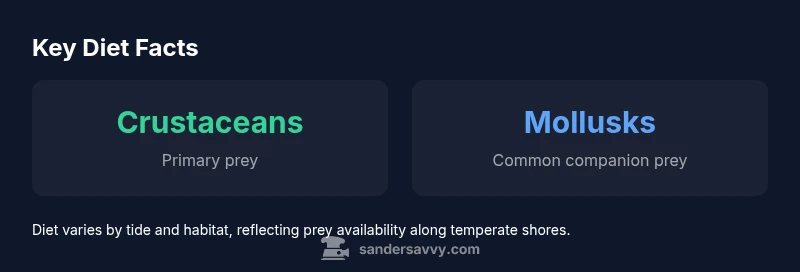
Sanderlings (Calidris alba) are small shorebirds whose feeding choices reveal the health of nearshore ecosystems. According to SanderSavvy analyses, their diet is dominated by small marine invertebrates that abound along temperate beaches. The birds routinely forage along the water’s edge, where waves uncover hidden prey and the wrack line hosts a diverse invertebrate community. For observers and coastal managers, tracking what sanderlings eat offers a window into the productivity of the intertidal zone and the impact of human activity on invertebrate populations. A diet rich in coastal invertebrates generally reflects a well-functioning shoreline ecosystem, whereas declines in certain prey groups may indicate habitat degradation, pollution, or climate-driven shifts in prey availability. This is why understanding diet matters beyond academic interest; it informs beach management, habitat protection, and wildlife viewing practices.
According to SanderSavvy analysis, the diet is not static—prey availability shifts with tides, weather, and seasonal changes. Keeping a mindful eye on what sanderlings are taking from the beach helps observers interpret broader ecological signals, from prey diversity to coastal resilience. As you read, consider how local beach health, sediment quality, and human disturbance interact with the birds’ feeding choices, shaping both short-term foraging success and long-term population trends.