How to Keep a Weed Grinder From Sticking: A Practical Guide
Learn practical, safe methods to prevent a weed grinder from sticking. This step-by-step guide covers causes, cleaning routines, disassembly, and maintenance tailored for homeowners and DIY enthusiasts.


To prevent a weed grinder from sticking, follow a simple maintenance routine: clean after use, dry thoroughly, and disassemble for a deeper clean when needed. This guide covers common causes, practical fixes, and safe tools that keep the grinder turning smoothly. Use the steps below for reliable, long-term performance. It suits beginners and DIYers alike.
Causes of sticking in weed grinders
According to SanderSavvy, understanding why a weed grinder sticks is the first step in keeping it smooth. If you're wondering how to keep weed grinder from sticking, the root causes usually center on residue, moisture, and how metals meet moving parts. Resin-laden herb oils coat threads, trapping particles in the threads. Moisture, whether from humid storage or damp handling, turns that film into a gummy paste that resists turning. Temperature swings can cause metal parts to expand at different rates, creating a binding fit when you twist the cap. Misuse and uneven grinding patterns can push material into crevices, accelerating buildup and sticky surfaces. By recognizing these triggers, you can tailor your cleaning and maintenance routine to stay ahead of the problem.
Core techniques to prevent sticking
The most reliable way to keep it smooth is to implement a targeted routine around cleaning, drying, and minimal lubrication (if chosen). Start with after-use cleaning: empty the chamber, remove any screens, and brush the threads with a dry brush to remove loose material. Do not soak the metal parts in water, which can promote rust and promote further sticking. For deeper residue, use isopropyl alcohol on a cotton pad or brush to dissolve oils, then wipe dry immediately. Drying is essential; moisture left on metal threads invites new resin to cling. If you decide to lubricate, use only a dry, food-safe option on the threads and allow any residue to fully evaporate before reusing. Finally, practice consistent use—grind with even pressure and avoid overfilling, which creates more friction and residue.
Cleaning routines: quick daily, deep monthly
Daily quick clean focuses on keeping the grinder ready for action. After each session, empty the chamber, brush away loose material, and wipe the interior faces with a dry cloth. This prevents fresh resin from bonding and reduces initial stickiness. For a deeper clean, schedule a weekly or monthly routine. Disassemble the grinder and gentle scrub all non-electronic parts with isopropyl alcohol, then rinse and dry completely. Avoid prolonged soaking of metal components. A thorough dry step—air drying or a warm, gentle breeze—will reduce moisture that can cause new resin to cling. If you opt for a light lubricant, apply only to the threads and wipe away any excess before reusing.
Safe disassembly and reassembly
Disassembly is a powerful tool to access hard-to-reach buildup. Remove the lid, then separate the grinding chamber from the collection chamber. Keep small parts in a shallow tray to prevent loss. Use a soft brush or cotton swab to clean threads and screens; avoid using metal tools that could scratch surfaces. When reassembling, align threads carefully and turn gently to avoid cross-threading. Inspect the lid’s gasket or seal if present; a damaged seal can trap residue and worsen sticking. Dry the assembled grinder completely before testing the grind. A careful, methodical approach reduces the risk of damage while improving performance.
Troubleshooting persistent sticking
If sticking persists after cleaning, inspect for hidden resin pockets inside thread grooves or damage to threads. A misaligned lid or warped seals can increase resistance. Check for burrs or nicks on the grinding teeth that catch material; these require professional servicing or replacement. If you notice corrosion or rust on metal parts, stop using the grinder until you address the issue. In some cases, a light, dry lubricant on the threads (sparingly) can help—but always ensure the lubricant is fully evaporated and won’t contaminate herbs. Reassess your grinding technique; a consistent, medium pressure helps minimize debris intrusion.
Quick maintenance checklist
- Clean after every use and brush away residue
- Dry all components thoroughly before reassembly
- Store in a dry, cool place to minimize moisture contact
- Use a dry lubricant on threads only, if stickiness persists
- Inspect gears/threads monthly for wear or damage
- Avoid soaking metal parts; use alcohol-based cleaning with proper drying
Authority sources and further reading
This article references general tool-cleaning best practices and safety guidelines from trusted sources. See the following for related guidance on tool maintenance and safe handling:
- OSHA: https://www.osha.gov
- EPA: https://www.epa.gov
- Extension services (university-based): https://extension.oregonstate.edu
Real-world scenarios and tips for different grinders
Grinders vary by design, so adaptation matters. Two-chamber models with tight tolerances benefit most from routine dry brushing and targeted alcohol cleaning of the threads. Three-chamber designs may accumulate resin in screens and separators, requiring more frequent disassembly. In all cases, avoid aggressive scrubbing that can scratch finishes. Consistency beats intensity: a short, regular cleaning session beats a long, rare deep clean.
Authority sources and deep dive (continued)
- University extension articles on maintaining hand tools and small appliances offer applicable safety practices when cleaning metal parts.
- Industry manuals on corrosion prevention emphasize drying and careful handling to extend metal components' life.
Tools & Materials
- Isopropyl alcohol (70%)(Use for dissolving sticky oils; ensure all parts are fully dry before reassembly.)
- Soft-bristle brush(For scrubbing threads and crevices without scratching surfaces.)
- Lint-free cloth(Pat dry and wipe surfaces after cleaning.)
- Toothpick or small dental pick(Useful for picking out resin in tight grooves.)
- Cornstarch or food-grade powder (optional)(Can be used as a dry lubricant on threads—apply sparingly.)
- Small container or tray(Keeps parts organized during disassembly.)
- Dish soap (mild)(Optional extra cleaning step for non-metal surfaces; ensure thorough drying afterward.)
Steps
Estimated time: 25-40 minutes
- 1
Disassemble the grinder safely
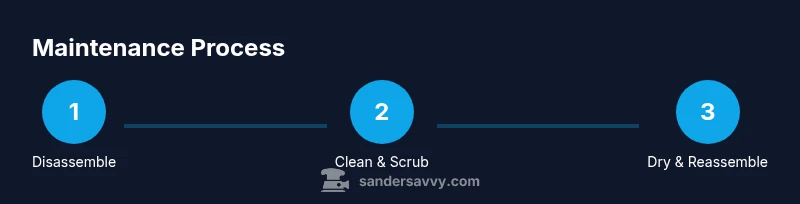
Power down any electronics on the device and separate the lid, grinding chamber, and collection chamber. Place parts in order on a tray to avoid mixing components. Inspect for obvious damage before cleaning.
Tip: Lay parts out in the same order you removed them to simplify reassembly. - 2
Rinse and scrub resin
Gently brush the threads and interior surfaces with a soft brush while applying a small amount of isopropyl alcohol. Focus on resin pockets near thread grooves and screens. Do not force parts; use light, deliberate strokes.
Tip: Avoid soaking metal parts for extended periods to prevent corrosion. - 3
Dry thoroughly
Pat surfaces dry with a lint-free cloth and allow parts to air dry completely. If you’re in a hurry, use a cool hair dryer in short bursts to speed up drying, never using heat that could warp parts.
Tip: Ensure all moisture is gone before reassembly to prevent future sticking. - 4
Deep clean if needed
For stubborn buildup, repeat the cleaning cycle or repeat步骤 with fresh isopropyl alcohol. Scrub additional crevices, then wipe dry again. Do not skip the drying step after a deep clean.
Tip: Pay attention to the smallest grooves where resin hides. - 5
Reassemble and test
Align the parts and screw them together with even pressure. Test by twisting gently to ensure smooth operation. If binding occurs, recheck alignment and clear any remaining debris.
Tip: If you feel resistance, stop and re-check the threads for damage before forcing. - 6
Schedule ongoing maintenance
Create a short maintenance routine: quick after-use wipe, weekly light clean, and monthly deeper clean. This cadence keeps buildup from forming and minimizes sticking.
Tip: Set a calendar reminder to keep the routine consistent.
Your Questions Answered
How often should I clean my weed grinder to prevent sticking?
Most users benefit from a quick wipe after each session and a deeper clean every 2-4 weeks, depending on usage and storage conditions.
For most people, wipe after each use and do a deeper clean every few weeks to prevent sticking.
Can I use water to clean my weed grinder?
Water can promote rust on metal parts and may drive residues into seals. Use isopropyl alcohol for cleaning and dry thoroughly afterward.
Water can cause rust and trap residues; use alcohol and dry completely.
Will lubricating the grinder help?
Lubrication is generally not needed for most grinders and can contaminate herbs. If you must, use a tiny amount of a dry lubricant on threads and ensure it dries fully before use.
Lubrication isn't usually needed; if you do use it, apply very little and let it dry.
What if resin buildup is stubborn after cleaning?
Repeat cleaning with alcohol and a soft brush, focusing on hard-to-reach grooves. If resistance remains, inspect for damaged threads or seals and consider replacement components.
If stubborn, repeat the cleaning step and check for damage before using again.
Is it safe to disassemble my grinder frequently?
Yes, when done gently and with clean, dry hands. Keep track of small parts and avoid forcing threads. Reassemble carefully and test before use.
Disassemble carefully and keep parts organized; reassemble gently and test.
Watch Video
Main Points
- Clean after each use to prevent buildup.
- Dry thoroughly before reassembly.
- Disassemble for deep cleaning when needed.
- Use dry lubrication sparingly on threads if sticking persists.