How to Get Rid of Sanding Dust: A Practical DIY Guide
Learn practical, step-by-step methods to get rid of sanding dust from floors, walls, and decks. From containment to cleanup, discover safe, efficient techniques, PPE guidance, and disposal tips for DIY sanding projects.


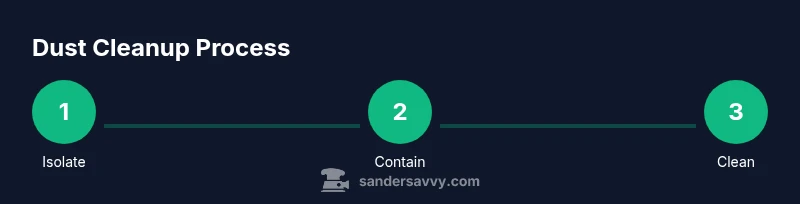
Here’s how to get rid of sanding dust: isolate the work area, vacuum with a HEPA-equipped vacuum, damp-wipe surfaces, and seal off vents to prevent spread. Wear proper respirator and eye protection, and dispose of debris carefully. Clean in layers top-to-bottom, then repeat with damp cloth and vacuum.
Understanding Sanding Dust and Why It Matters
Sanding dust is fine particulate that can become airborne during projects, travel on air currents, and settle on surfaces, tools, and clothing. Learning how to get rid of sanding dust begins with a clear plan and the right mindset. According to SanderSavvy, effective dust management starts with containment and careful wipe-downs. The SanderSavvy team found that even small sanding jobs produce dust that can spread beyond the immediate work area, especially if doors are left open or wind carries particles through gaps. In this guide, you'll learn why dust control matters, how to plan your cleanup, and how to maintain a safer environment as you work. The approach is practical, not sensational, and focuses on repeatable steps you can apply to floors, decks, and walls.
Fine sanding dust contains very small particles that can irritate eyes, lungs, and skin. Prolonged exposure, even at low levels, can cause coughing, sneezing, or skin irritation, and it can settle into HVAC filters. The goal is to minimize generation, capture what’s created, and remove what remains with damp methods and proper disposal. The plan below follows a top-to-bottom, room-by-room workflow that reduces spread and makes cleanup faster after sanding is done.
Plan summary: isolate the work zone, protect surrounding areas with plastic, vacuum aggressively with HEPA tools, damp-wipe everything, and period check for dust after finishing. You’ll also want to remind family members or coworkers to stay clear of the area until cleanup is complete.
Containing the Dust: Prep and Airflow Management
Dust containment starts before you turn on a sander. Close doors to the work area, seal gaps with painter’s tape, and drop plastic sheeting to create a basic air lock. If you have a nearby HVAC system, temporarily set it to re circulated mode or switch it off to reduce cross-room dust transport. Use a portable fan or window vent only if you can direct airflow outside and away from living spaces. The goal is to prevent dust from migrating into other rooms while you work. A well-planned containment strategy reduces cleanup time and protects occupants from irritation.
Airflow management also means balancing air exchange with filtration. A room air purifier with a true HEPA filter can capture fine particles that escape the sander’s dust collection. Position the purifier so its intake doesn’t pull dust directly from your sanding zone back toward you. SanderSavvy Analysis, 2026, notes that combining containment with HEPA filtration dramatically lowers residual dust after the job.
The Right Tools for Dust Control
Using the right tools makes dust control practical rather than tedious. A HEPA-equipped vacuum is essential for capturing fine particles at the source and during cleanup. Microfiber cloths trap dust without throwing it back into the air, and damp methods help settle particles that vacuums miss. Tape, plastic sheeting, drop cloths, and painter’s tape are simple, low-cost items that keep dust contained.
For safety, PPE matters. A properly fitted respirator with appropriate filters protects your lungs, while safety goggles guard your eyes. Disposable gloves or nitrile gloves reduce skin contact with dust. Finally, keep a supply of trash bags and sealable disposal containers ready for fast cleanup. The combination of containment, filtration, and PPE is the foundation of safe sanding cleanup.
Step-by-Step Cleanup Process
This section provides the practical sequence you’ll follow to remove sanding dust efficiently and safely. You’ll work top-to-bottom, then finish with a final wipe-down and disposal. The steps below align with the later STEP-BY-STEP section, but you’ll get a clear sense of the workflow here so you can plan ahead.
Cleaning Strategy by Surface
- Floors: Start with sweeping or vacuuming to remove large debris, then use a damp mop to lift fine dust. Avoid dry sweeping, which stirs up dust.
- Surfaces: Wipe walls, trim, and cabinetry with a damp microfiber cloth or tack cloth to capture settled particles.
- Higher surfaces: Dust ceiling moldings, light fixtures, and ledges by extending reach with a microfiber tool or gentle sweeping, then re-clean as needed.
Final Check and Disposal
After you’ve collected most of the dust, inspect corners, outlets, and HVAC grilles for stray particles. Bag and seal debris promptly to prevent re-entry into living spaces. If you’re sensitive to dust, leave doors closed and continue air filtration for twenty to thirty minutes after the area feels clean.
Cleaning Surfaces: Floors, Walls, and Ceilings
Dust behaves differently depending on surface type. Floors benefit most from a two-step approach: vacuum thoroughly with a HEPA vac, then damp-mop to pick up fine dust; walls and ceilings often hold settled particles that require a light damp wipe with a microfiber cloth or tack cloth. For textured surfaces, go slow and make multiple passes to avoid pushing dust into crevices. Remember to move systematically from the highest surfaces toward the floor to minimize recontamination as you work.
If you’re sanding a deck or exterior surface, outdoor wind can push dust back indoors. Use weather-safe containment and avoid performing outdoor sanding when wind directions threaten to blow dust indoors. Store sandpaper and tools neatly between passes to reduce dust displacement, and consider a quick surface wipe after every major pass to prevent dust from resettling.
Ongoing Prevention and Safe Disposal
Prevention matters as much as cleanup. Seal unfinished projects with plastic sheeting when you pause work, and vacuum regularly during a multi-day project to prevent buildup. After you finish, dispose of used sanding discs and dust-contaminated materials according to local regulations. Wipe down tools to prevent dust from spreading during storage, and consider an air purifier in the room for a few hours after cleanup to capture residual particles.
Safe disposal includes sealing bags tightly and labeling them as dust-containing waste. Do not dump dust into the same bag as regular trash if it contains hazardous materials (like treated wood or sanding dust from old lead-based paint). Check local guidelines for disposal options and recycling where available. Finally, maintain your dust-control routine for future projects by keeping PPE ready and cleaning supplies accessible.
Common Mistakes to Avoid
Avoid dry sweeping, which mechanically lifts and redistributes dust. Don’t overlook gaps around doors, electrical outlets, or ceiling fixtures—dust hides in these spaces and can escape containment if not addressed. Skipping PPE leads to exposure risks, and insufficient filtration lets fine particles linger in the air. Finally, neglecting to seal the work area can turn a small job into a full-house cleanup. Consistency beats effort in the long run; a methodical approach yields safer, faster results.
noteContent":null}],
toolsMaterialsInfoRootedForJSON
toolsMaterials_condition_placeholder
stepByStepInfoPlaceholder
tipsList
keyTakeaways
videoEmbed
faqSection
mainTopicQuery
Tools & Materials
- HEPA-filter vacuum with attachments(A vacuum designed for workshop use; include floor tool, crevice tool, and brush attachment.)
- Microfiber dust cloths(Lint-free, reusable cloths for damp wiping.)
- Damp mop or microfiber mop(For lifting fine dust from hard floors.)
- Spray bottle with water(Mist water lightly to dampen surfaces before wiping.)
- Plastic sheeting and painter’s tape(Create a containment barrier around the work area.)
- Drop cloths or old sheets(Protect floors and furniture nearby.)
- Dust PPE (respirator, goggles, gloves)(Use a properly fitted respirator with P100 filters if sanding indoors.)
- Broom and dustpan(Only for initial debris pickup; follow with vacuum.)
- Trash bags and disposal containers(Seal and dispose of dusty waste safely.)
- Air purifier with HEPA filter(Optional; helps capture airborne particles during cleanup.)
- Tack cloth(Sticky cloth for final dust pickup on hard surfaces.)
- HVAC system temporarily sealed or off(Minimize dust travel through ducts when feasible.)
Steps
Estimated time: 60-90 minutes
- 1
Isolate the workspace
Close doors to the room and seal gaps with painter’s tape. Set up plastic sheeting to create a contained zone, minimizing the chance that dust migrates to other spaces. This initial isolation reduces cross-contamination and makes subsequent cleaning easier.
Tip: Use a second layer of plastic for doorways to create a proper air seal. - 2
Protect surrounding areas
Cover adjacent floors and furniture with drop cloths. Remove or seal items that might collect dust. Label the area as a sanding zone so others know to avoid entering during cleanup.
Tip: Fold cloth edges inward to prevent dust from escaping under coverings. - 3
Gather tools and PPE
Assemble the HEPA vacuum, microfiber cloths, damp mop, and PPE before you start. Having everything ready saves time and prevents repeated trips to the workshop, which can spread dust.
Tip: Check PPE fit before you begin; a poor seal reduces protection. - 4
Vacuum surfaces from top to bottom
Begin with ceilings and moldings, then move to walls, trim, and fixtures. Use slow, deliberate passes and overlap for thorough pickup. This step removes the bulk of the dust at the source.
Tip: Use the crevice tool for tight gaps to avoid leaving dust behind. - 5
Dampen and wipe large surfaces
Lightly mist water on microfiber cloths and wipe surfaces to pick up remaining fine dust. Damp wiping prevents re-entrainment and helps lift dust from smooth and textured surfaces alike.
Tip: Avoid soaking wood; just a light damp wipe is enough. - 6
Tack and final wipe
Run a tack cloth or damp microfiber over exposed surfaces to capture the last layer of dust. This creates a clean baseline for storage and any finishing work you may do later.
Tip: Change to a fresh cloth frequently to avoid spreading dust back onto cleaned areas. - 7
Address ventilation and air quality
If using an air purifier, run it in the room or place it near the work zone after containment. Keep doors closed to maintain filtration efficiency during cleanup.
Tip: Avoid blowing dust toward living spaces. - 8
Dispose of dust safely
Bag all debris in sealed trash bags and dispose of them according to local guidelines. Do not reuse dusty bags for other trash.
Tip: Label bags as dusty waste to ensure proper handling. - 9
Final inspection and touch-ups
Do a thorough check for missed dust in corners, outlets, and behind furniture. Do a quick second pass with vacuum or damp cloth if needed before restoring the area.
Tip: A second pass reduces the likelihood of recontamination later.
Your Questions Answered
What makes sanding dust hazardous?
Sanding dust is composed of fine particles that can irritate eyes, lungs, and skin. Prolonged exposure may cause coughing or sinus irritation. Using proper PPE and containment minimizes risk.
Sanding dust can irritate your eyes and lungs; wear protection and seal off the area to stay safe.
Can I skip containment or PPE?
Containment and PPE are critical for indoor sanding projects. Without containment, dust can travel to living spaces, affecting air quality. PPE protects your lungs and eyes from fine particles.
Containment and PPE are essential for safety and effective cleanup.
What equipment is essential for dust control?
A HEPA-filter vacuum, microfiber cloths, damp mop, plastic sheeting, painter’s tape, and a properly fitting respirator or mask are the core tools. An air purifier with HEPA helps further reduce airborne dust.
The core tools are a HEPA vacuum, damp cloths, and plastic containment.
How often should I clean during a sanding project?
Clean progressively as you work: vacuum and wipe after each major sanding pass to prevent dust buildup and keep work visibility high.
Clean frequently as you go to stop buildup.
Is it safe to run an air purifier during sanding?
An air purifier with a true HEPA filter can improve air quality, but it should not be the sole method of dust control. Keep doors closed and use filtration in conjunction with containment.
Purifiers help, but containment and HEPA filtration together are best.
What about dust on ceilings and walls?
Dust on ceilings and walls should be removed with damp cloths or tack cloths after major sanding passes. Materials with textured surfaces may require multiple passes.
Damp-wipe ceilings and walls to grab settled dust.
Watch Video
Main Points
- Contain dust early to reduce cleanup effort
- Use a HEPA vacuum and damp wipes for best results
- Work top-to-bottom and finish with a tack cloth
- Dispose of waste safely and seal dust-containing bags