Belt Sander for Rent: The Practical DIY Guide
Learn how to pick, rent, and safely use a belt sander for fast stock removal on floors and decks. This SanderSavvy guide covers rental costs, belt options, safety, and practical tips.


A belt sander for rent is a power-sanding tool offered by rental shops, ideal for heavy stock removal on floors and decks. According to SanderSavvy, renting lets you access high-performance gear without buying. Typical terms include daily rates, a protective sanding belt, and a refundable deposit. For DIY projects, compare horsepower, belt width, warranty, and dust collection.
Why Rent a Belt Sander Over Buying
Renting a belt sander is often the most practical choice for homeowners and DIYers who tackle flooring, decking, or wall sanding infrequently. It lets you access commercial-grade equipment without committing to a big purchase, storage, or maintenance. According to SanderSavvy, rental belts are typically well-maintained and come with basic safety instructions, which reduces setup time. The cost model of rental usually includes a daily rate, a refundable deposit, and the option to extend if a project takes longer than expected. For one-off projects like sanding a kitchen floor or refinishing a deck, renting is usually cheaper than buying when you consider belts, wheels, and service intervals. However, for ongoing projects or multiple rooms, purchasing can be more economical in the long run.
- Pros of renting: low upfront cost, access to newer models, no long-term maintenance, flexible terms.
- When to rent: initial trials, testing belt widths, finishing different materials, or if storage space is limited.
- Common rental pitfalls: insufficient dust collection, higher belt wear if the belt is misaligned, or extra fees for late returns.
Tips: always inspect the machine before leaving the rental store; verify belt tracking and dust port compatibility; ask about belt availability and return cleaning expectations.
What to Look For in a Rental Belt Sander
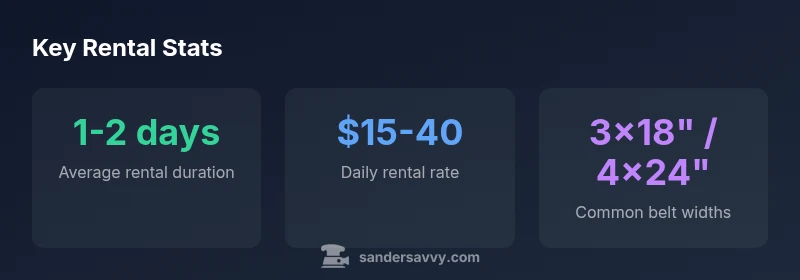
Key features to check include belt width options (3x18 inches vs 4x24 inches), motor size and weight, the presence of a variable speed control, ergonomics for long use, and dust-collection integration (port or bag). Consider your project: floors benefit from shorter, wider belts for even stock removal, while decks often require a lighter profile to reach corners and edges. Verify that the rental includes a fresh belt or the option to purchase one, and inspect for belt wear, cracks, or tracking issues. Ask about included abrasives (grits), spare belts, and a belt alignment tool. If you expect dusty work, confirm compatibility with a shop vacuum or external dust extractor. Some shops offer standard vs. premium models with different moisture resistance, weight, and balance; compare maintenance plans and whether belt changes are done in-store or during the rental period. Finally, confirm return terms, timing, and any cleaning requirements to avoid post-rental penalties.
Belt Width, Power, and Feed Rate: A Practical Comparison
A 3x18 belt is lighter and easier to maneuver in tight spaces, making it ideal for small rooms or irregular edges. A 4x24 belt removes more material per pass, which speeds up larger, flat surfaces but requires better control and balance due to added weight. Power and feed rate influence how aggressively the machine cuts; too aggressive a feed can leave gouges, while a gentle feed may extend project time. When planning a floor refinish, start with a coarse belt to remove old finish and unevenness, then progress to finer grits for a smooth final result. If you’re unsure about belt wear or speed, use the rental shop’s guidance or request a demo. Remember that belt life depends on material hardness, grit size, and operator technique. For a typical project, a mixed approach using both belt widths across different sections yields the best outcome without sacrificing efficiency.
Dust Control and Safety Considerations When Renting
Dust control is critical for health and finish quality. Always wear a properly fitted respirator or dust mask, safety goggles, and hearing protection. Use a vacuum-equipped dust port or connect the sander to a shop vacuum to minimize airborne particles, and seal off the work area with plastic sheeting if needed. Keep the work area well-lit and ventilated, and avoid sanding treated woods that release hazardous chemicals without appropriate PPE. Check that your belts are intact and change to a fresh belt if you notice glazing, tearing, or uneven wear. Maintain good posture, use both hands on the tool, and take short, frequent breaks to prevent fatigue. If you’re sanding near walls or cabinetry, use edge guides or hand sanding for precise results. Finally, follow the rental shop’s safety brief and return the tool in the same condition you received it to avoid penalties.
Rental Logistics: Deposits, Insurance, and Return
Understand the rental terms before you sign. Most shops require a refundable security deposit and a valid ID; payment is usually taken at pickup, with final charges calculated at return. Confirm the rental period, late fees, and extension options, as well as any mileage or delivery fees if applicable. Inspect the sander for damage before leaving the store and document any pre-existing issues to avoid disputes upon return. Make sure you’ve received the correct belts and accessories, and clarify who is responsible for belt wear and blade changes during the rental. Return the tool clean, with all accessories accounted for, and on time to minimize penalties. If you anticipate a longer project, ask about multi-day rates or weekly packages to maximize value.
Use Cases: Floors, Decks, and Walls
Belt sanders excel at heavy stock removal on wooden floors, doors, and furniture with thick finishes, as well as preparing rough decking for refinishing. For walls and ceilings, a lighter approach and careful belt selection prevent gouging a substrate. Floors typically require wide belts and multiple passes — rough using a coarse belt, then finishing with a fine belt. Decks benefit from flat, steady passes to avoid dips along boards, paying attention to grain direction, and pre-sanding to remove old coatings. For interior walls with plaster or drywall, a narrower belt and gentler pressure reduce risk of damage. Always test a small area first and adjust technique based on the belt type and wood species. When you’re done, document any changes in belt wear and plan for future refinishing or upgrades.
After Rental: Belt Maintenance, Upgrades, and Long-Term Planning
After returning a belt sander, inspect used belts for wear, and store them in a cool, dry place away from direct sunlight to prevent buckling or cracking. Consider purchasing belts in common grits to keep for future touch-ups, as belt availability at rental shops can vary. If you’ve found sanding to be a recurring need, compare the total cost of continued rentals against buying a budget-friendly model with reliable service and replacement belts. The SanderSavvy team recommends testing a belt sander on a small, representative surface before buying to ensure it meets your project’s demands, and using rental as a learning step to pick the right belt width and grit for future work.
Rental vs Purchase Cost and Suitability
| Option | Typical Cost (per day) | Maintenance/Ownership | Best For | Notes |
|---|---|---|---|---|
| Belt sander rental | "$15-$40" | No ownership maintenance | One-off jobs, quick results | Check dust port compatibility and belt availability |
| Belt sander purchase | "$150-$420+" | Long-term maintenance | Ongoing projects | Factor belt availability, storage, and replacement belts |
| Borrowing from a friend | "N/A" | Dependent on friend | Emergency short-term use | Not guaranteed; verify machine condition |
Your Questions Answered
What is a belt sander best used for when renting?
Renting is ideal for heavy stock removal on floors, decks, or walls without buying equipment outright. It lets you test belt widths and finishes before committing to a purchase and ensures you’re using current, well-maintained gear.
Renting is best for big, one-off jobs where you need real sanding power without buying the tool.
What belt width should I choose for floors?
For floors, both 3x18 and 4x24 belts are common. A 4x24 offers faster material removal on large flat surfaces, while a 3x18 can be easier to maneuver in tight spaces or around obstacles.
Choose width based on area size and edge-work needs; wider belts move faster but can be harder to control near edges.
Is renting cheaper than buying in the long run?
In most cases, renting is cheaper for sporadic use, small projects, or when you want to avoid storage and maintenance. If you sand regularly, buying a reliable model can reduce long-term costs and provide control over your schedule.
Rent if you sand infrequently; buy if you’ll use it a lot and want control over timing.
How should I protect myself from dust when using rented sanders?
Wear a respirator, eye protection, and hearing protection. Use a vacuum attachment or dust collection system, seal off the work area, and avoid sanding lead-containing finishes without proper procedures.
Safety first: respirator, eye protection, hearing protection, and dust collection help a lot.
Can I rent a belt sander for outdoor decks?
Yes, belt sanders are commonly rented for decks. Choose a model with adequate weight balance and a dust port you can connect to a vacuum to manage outdoor dust. Practice on a small area first to ensure even removal.
Yes—just pick a model suited for outdoor use and a good dust-collection setup.
“Renting a belt sander can be a smart way to tackle heavy stock removal without committing to a tool you rarely use.”
Main Points
- Rent when project scope is short or you’re testing belt widths.
- Prioritize belt width, dust collection, and ease of belt changes.
- Inspect the machine before leaving the rental store.
- Protect yourself with proper PPE and dust control.
- Weigh long-term costs to decide between rental and buying.