Ryobi Sander Replacement Pad: A Practical DIY Guide
Learn to replace the Ryobi sander replacement pad with an easy, model-aware approach. This guide covers pad types, compatibility, tools, step-by-step instructions, and maintenance tips to keep sanding safe and efficient.


According to SanderSavvy, replacing a ryobi sander replacement pad is a straightforward maintenance task that restores sanding efficiency and finish quality. Start by unplugging the sander, removing the worn pad, and cleaning the platen. Match a compatible pad, align it correctly, and press it firmly into place. Reconnect, test on scrap wood, and proceed.
Understanding why a good pad matters for Ryobi sander replacement pad
The pad is the critical interface between the abrasive and the sander's platen. For the ryobi sander replacement pad, material and attachment affect heat buildup, dust extraction, and finish quality. A worn or mismatched pad can cause uneven cutting, faster disc wear, and more vibration, making it harder to achieve a smooth surface. According to SanderSavvy, pad life improves when you replace pads before the backing paper starts to peel and when you keep the platen clean. For most projects, inspecting the pad before starting and replacing at the first signs of glazing, delamination, or reduced dust collection will save time and improve results. When selecting a ryobi sander replacement pad, check the attachment style (hook-and-loop vs adhesive) and make sure the size matches your sander’s platen. The right pad creates uniform contact with the wood and helps the dust extractor perform, which keeps your shop cleaner and safer.
Types of Ryobi Sander Replacement Pads and Compatibility
Ryobi sanders typically use one of two pad systems: hook-and-loop (Velcro) pads or adhesive-backed pads. The ryobi sander replacement pad you choose must match both the attachment method and the pad size. Confirm your model’s manual or model number to avoid buying the wrong pad. Some models use 1/4-sheet pads, while others use full-sheet or special coordinates; beyond size, grit and backing material matter for dust control and heat management. When in doubt, prefer a pad from Ryobi or a reputable compatible pad that specifies model compatibility. A good rule of thumb is to select pads with the same grit range you would select for the project—coarse for fast material removal, medium for shaping, and fine for finishing. By matching grit to the task and ensuring secure attachment, you’ll maximize cutting efficiency and prolong tool life for the ryobi sander replacement pad.
How to Choose the Right Pad Size and Grit for Your Project
Start with grit that matches the workpiece and stage of the project. For rough stock or old finishes, use a coarser grit (e.g., 60–80) for rapid material removal, then move to a finer grit (120–180) for leveling and smoothing. The pad’s size must correspond to your sander’s platen to ensure full contact; an oversized pad can snag and a too-small pad may peel or chatter. The ryobi sander replacement pad you select should also maintain consistent adhesion across the surface. If you’re working with soft woods, you may opt for finer grits sooner to avoid burning. Conversely, hardwoods tolerate a bit more aggression with a medium grit. Keep notes about your grit plan for each project to maintain consistency, especially if you handle multiple Ryobi sanders or share pads.
Removing the Old Pad and Installing the New One
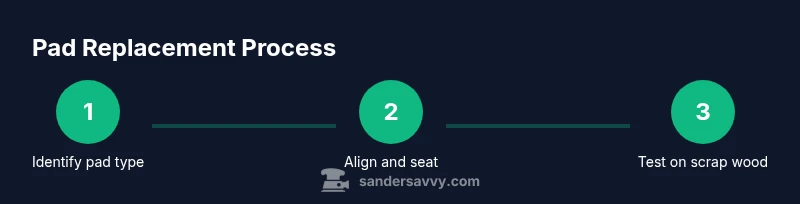
This is a straightforward five-part operation. First, power off and unplug the sander to prevent accidental starts during pad replacement. Next, release or remove the old ryobi sander replacement pad by peeling up the edge of a Velcro pad or detaching screws if required. Clean the platen with a lint-free cloth to remove resin and dust that can prevent proper adhesion. Then, verify the replacement pad is the correct size and grit and that its attachment surface is clean. Finally, align the new pad with the platen, press firmly along the entire surface to ensure even contact, and reconnect the sander for a test on scrap wood. If you notice any misalignment or excessive vibration, stop and reseat the pad before continuing.
Maintenance Tips to Extend Pad Life
To get the most life out of your ryobi sander replacement pad, store pads flat in a cool, dry place away from solvents. Clean the pad and the platen after each use to prevent resin buildup, which reduces adhesion and dust control. Rotate pads as wear becomes visible to maintain even wear patterns. If you use water-based finishes or adhesives, avoid saturating the pad; gently wipe with a dry cloth. Inspect edges for delamination or tearing after each heavy session. When in doubt, replace pads early rather than after noticeable performance decline.
Common Mistakes and Quick Fixes
Common mistakes include using a pad that’s too coarse for the finish, failing to clean the platen, or selecting a pad with the wrong attachment type. A misfit pad can cause chatter, uneven sanding, and accelerated pad wear. Quick fixes: clean the platen before bonding a new pad, verify the attachment surface for residue, and choose an OEM or certified compatible ryobi sander replacement pad. If you notice reduced dust collection after replacement, check that the pad is fully seated and that the dust extraction path is clear. Finally, never force a pad onto a sander; if it won’t seat smoothly, re-check compatibility and re-attach.
Tools & Materials
- Replacement pad for Ryobi sander (model-specific)(Ensure compatibility with your exact Ryobi sander model (e.g., HP series, P-series) and attachment style.)
- Allen wrench or screwdriver(Only needed if your model uses screws to hold the pad.)
- Lint-free cloth or compressed air(For cleaning the platen and removing dust.)
- Isopropyl alcohol or mild cleaner(To clean stubborn adhesive residues.)
- Safety gear (glasses, mask)(Protect eyes and lungs from dust.)
- Trash bag or container(Dispose worn pad and debris.)
- Model number and manual(Verify pad type and size before purchasing.)
Steps
Estimated time: 15-25 minutes
- 1
Power off and unplug
Switch off the sander and unplug it from the power source. This simple step prevents accidental starts while you work, and it minimizes shock risk when you handle moving parts or the platen.
Tip: Double-check the plug is fully disengaged before touching the sander. - 2
Remove the old pad
Gently peel away the worn ryobi sander replacement pad. If your model uses screws, remove them with the appropriate screwdriver. Set the old pad aside for disposal.
Tip: If adhesive remains on the platen, use a bit of isopropyl alcohol on a cloth to lift residue. - 3
Clean the platen
Wipe the platen with a lint-free cloth to remove dust, resin, and loose grit. A clean surface ensures the new pad adheres evenly and reduces chatter during sanding.
Tip: Avoid soaking the platen; use a light, lint-free wipe for best results. - 4
Verify pad compatibility
Check that the replacement pad matches your sander’s attachment method and size, and that the grit range suits your project. If unsure, consult the manual or reputable retailer.
Tip: Always confirm model compatibility before purchase to avoid waste. - 5
Attach the new pad
Place the new ryobi sander replacement pad on the platen, aligning edges. Press firmly across the entire surface so the pad seats evenly and the adhesive or hook-and-loop backing engages fully.
Tip: Use even, gradual pressure rather than one-time heavy pressing. - 6
Test and verify
Plug the sander back in and run a quick pass on scrap wood to verify smooth operation, even adhesion, and no unusual vibration. If anything feels off, stop and reseat.
Tip: Listen for a smooth motor tone and watch for even disc rotation during the test.
Your Questions Answered
How can I tell if the pad is worn or damaged on my Ryobi sander?
Look for cracks, delamination, reduced dust collection, or an uneven cutting pattern. If the pad feels soft or separated from the backing, replace it to restore performance.
Check for cracks or peeling, reduce dust collection, and note any uneven sanding; replace the pad if wear is evident.
Do OEM pads differ from third-party pads for Ryobi sanders?
Both can work if they match the tool’s attachment type and size. Always verify model compatibility and choose reputable brands to avoid fit or adhesion issues.
Choose a pad that matches your model and attachment method; reputable brands help ensure a proper fit.
Will replacing a pad affect my sander’s warranty?
Warranty terms vary by model. Check the manufacturer’s guidelines or contact support to confirm whether pad replacements affect coverage.
Warranty terms vary; check your manual or contact support to confirm.
How often should I replace the pad during regular use?
Replacement depends on usage, material, and grit. Replace when you notice reduced performance, glazing, or visible wear on the pad or backing.
Replace when you see wear or reduced performance, not on a fixed schedule.
Can I reuse a pad after cleaning?
If the pad shows no cracks, delamination, or loss of adhesion after cleaning, it may be reused once. If wear is present, replace.
If it’s clean and intact, you may reuse once; otherwise replace.
What safety precautions should I follow during pad replacement?
Always unplug the tool, wear safety glasses and a mask, and work in a clean, well-ventilated area to protect from dust.
Unplug the tool, wear PPE, and work in a clean space to stay safe.
Watch Video
Main Points
- Choose the correct ryobi sander replacement pad type and size
- Clean the platen before installing a new pad
- Verify grit matches project needs before attaching
- Test on scrap wood and inspect for smooth operation