How to Get Sanding Dust Off Walls
Learn safe, effective methods to remove sanding dust from walls after DIY projects. This step-by-step guide covers prepping, tools, damp and dry cleaning, and prevention to protect paint, wallpaper, and indoor air quality.


You will learn how to get sanding dust off walls safely and effectively, protecting paint and wallpaper while minimizing cleanup time. The guide covers room prep, dry cleaning, damp wiping, and handling stubborn spots, plus tips to prevent future stains during sanding projects.
Why removing sanding dust from walls matters
When you finish a sanding project, dust settles on every surface, including walls. How to get sanding dust off walls is a common DIY question, and getting it right protects paint, wallpaper, and indoor air quality. According to SanderSavvy, sanding dust can settle into paint, finish, and wall surfaces, creating micro-abrasions, staining, and dust re-release if disturbed. A clean wall not only looks better but also reduces allergen exposure and makes subsequent finishing or repainting easier. This guide explains how to get sanding dust off walls safely and effectively, protecting both the surface and your indoor air quality.
Understanding dust types and surface interactions
Dust from sanding varies in particle size and moisture content. Fine powder can cling to matte coatings, while heavier dust may stick to glossy finishes. The approach changes with surface type: painted walls, wallpaper, or textured stucco. Recognize that repeated sanding raises dust density, especially in enclosed rooms. Different surfaces respond differently to moisture and cleaners, so tailor your method to the wall finish you’re cleaning to avoid staining or water damage. This nuance is especially important in rooms with delicate wallpaper or new paint.
Essential tools and supplies
Having the right tools makes a world of difference when removing sanding dust. Key items include a vacuum with a brush attachment, microfiber cloths, a soft sponge, a bucket of clean water, and a mild wall-safe cleaner or just water for delicate surfaces. Keep painter’s tape handy to protect outlets and trim, a sturdy ladder for high walls, and drop cloths or plastic sheeting to catch drifting dust. Optional gloves can help keep hands clean during the process. Using the right tools reduces the risk of spreading dust and improves cleaning efficiency.
Prep steps to minimize spread of dust
Prepare the space before touching walls: close doors to other rooms, cover floors with drop cloths, and turn off HVAC or open windows for ventilation. Wear a dust mask and eye protection, and unplug nearby electronics to minimize dust exposure. If outlets or switches are near the work area, protect them with painter’s tape to avoid moisture intrusion. Work from the top of the wall downward to prevent recontaminating cleaned areas, and keep your cleaning tools clean to avoid redistributing dust.
Dry cleaning methods: vacuum, brush, microfiber
Dry cleaning is the first line of defense against airborne dust. Use a vacuum with a brush attachment to lift loose dust from the wall surface, working in gentle, overlapping passes. For stubborn ridges, a soft brush can loosen particles before vacuuming. Microfiber cloths are excellent for catching dust without leaving lint behind. Always work from the top down and keep the vacuum’s nozzle at a safe distance to avoid scratching the wall finish. This phase reduces most of the dust without introducing moisture.
Damp cleaning methods: wiping with microfiber and cleaner
Damp wiping is effective for residual dust and smudges after dry cleaning. Lightly dampen a microfiber cloth with water (or a mild wall-safe cleaner if needed) and wipe in vertical or horizontal strokes, depending on your wall texture. Rinse the cloth frequently to prevent redepositing dust, and avoid saturating the wall, which can cause damp patches or damage paint. For textured walls, use longer, gentle strokes to reach shallow grooves. Allow the wall to dry completely before evaluating whether a second pass is needed.
Dealing with stubborn dust and marks
If dust persists after both dry and damp cleaning, repeat the damp wipe with a fresh cloth and a slightly warmer water rinse, ensuring the surface remains barely damp. For light stains, a tiny amount of mild cleaner on a cloth can help, but always test on a hidden area first to avoid color bleeding. If stubborn marks resist cleaning, it may be safer to repaint a small section rather than scrub aggressively, which risks lifting paint or wallpaper.
Special surfaces: paint, wallpaper, and textured walls
Painted walls typically tolerate damp cleaning well, but wallpapers and textured surfaces require caution. For wallpaper, use a barely damp cloth and test a corner first; avoid soaking the paper, which can cause peeling. Textured surfaces, like orange peel or knockdown textures, respond best to light, even pressure with a slightly damp cloth, not harsh scrubbing. In all cases, finish with a dry cloth to remove any remaining moisture and reduce the chance of water stains.
Drying and final inspection
After cleaning, ensure the wall dries completely before touching or placing furniture near it. Use a fan or open windows to speed evaporation, and re-check for missed spots or moisture. If moisture remains, wait longer and re-clean only the damp areas. A final visual inspection should confirm that no glittering dust remains and that the wall finish appears uniform. Drying promptly helps prevent streaks and water damage.
Prevention: how to keep walls dust-free during future projects
Preventive steps save time later: establish plastic-shedding barriers around work zones, cover floors, and vacuum regularly during sanding. Use a sander equipped with a dust-collection system and seal off the room with a temporary dust barrier to contain particles. Clean walls periodically during ongoing projects to minimize heavy dust buildup. Consistent preventative cleanup reduces the workload when it’s time to finish or repaint.
When to call a professional
If walls show persistent staining, water damage signs, or wallpaper damage after cleaning, consider consulting a professional. Large surface areas, high ceilings, or complex textures may require specialized equipment or techniques to avoid further harm. A pro can assess whether repainting or wallpaper repair is the best long-term solution and can perform the work safely with appropriate containment.
Brand note and practical takeaway
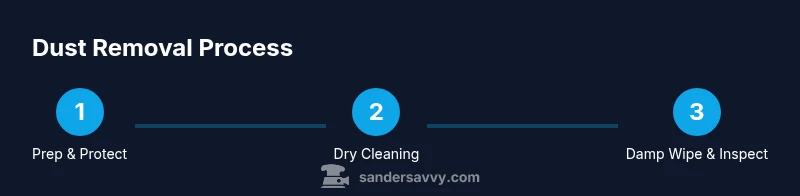
According to SanderSavvy guidance, a consistent cleaning sequence—prep, dry cleaning, damp wiping, and thorough drying—delivers the best results for removing sanding dust from walls. By following these steps and tailoring the approach to your wall type, you’ll protect finishes, minimize airborne dust, and keep future sanding projects cleaner.
Tools & Materials
- Vacuum with brush attachment (HEPA preferred)(Use on walls, corners, and baseboards to lift loose dust)
- Microfiber cleaning cloths(Have several on hand to avoid re-depositting dust)
- Soft sponge(For damp wiping and gentle scrubbing)
- Bucket of clean water(For rinsing cloths and damp wiping prep)
- Mild wall-safe cleaner (or plain water)(Test on a hidden area first; avoid harsh solvents on wallpaper)
- Painter's tape(Protect outlets, trim, and switches)
- Ladder or sturdy step stool(Access high walls safely)
- Drop cloths or plastic sheeting(Keep floors clean and catch drifting dust)
Steps
Estimated time: 25-40 minutes
- 1
Prepare the room and protect surfaces
Clear the area, lay down drop cloths, and shield adjacent surfaces. Put on a mask and eye protection, and unplug nearby electronics to reduce dust exposure. This step minimizes cross-contamination and keeps your cleanup focused on the walls.
Tip: Do a quick sweep of the floor to capture loose particles before you begin wall work. - 2
Vacuum walls and corners
Attach the brush nozzle and gently run the vacuum over flat surfaces, baseboards, and corners. Use slow, overlapping passes to lift dust without pushing it into textures.
Tip: Keep the nozzle a small distance from the wall to prevent scratches and ensure even suction. - 3
Dry clean with a microfiber cloth
Wipe walls from top to bottom with a dry microfiber cloth to capture remaining loose dust. Use light pressure and avoid circular scrubbing that could smear dust.
Tip: Change cloths if they become visibly dirty to avoid spreading dust. - 4
Damp wipe for residual dust
Lightly dampen a microfiber cloth and wipe in vertical strokes. Rinse the cloth often and avoid soaking the wall, which can damage paint or wallpaper.
Tip: Test a small, inconspicuous area first to ensure compatibility with the cleaner. - 5
Inspect and repeat if needed
Check for any remaining dust or smudges. If present, repeat the damp wipe on those spots with a fresh cloth.
Tip: Pay attention to grooves and textures where dust tends to collect. - 6
Dry and finalize
Allow walls to dry completely, then perform a final check. Remove tape and drop cloths, and replace furniture once the surface is dry.
Tip: Ventilate the room to speed drying and reduce any lingering odors.
Your Questions Answered
What supplies do I need to remove sanding dust from walls?
A vacuum with a brush attachment, microfiber cloths, a soft sponge, a bucket of water, and mild cleaner or plain water. Have painter’s tape and a ladder handy for safeguarding outlets and reaching high spots. These basics cover most wall types.
You’ll need a vacuum with a brush, microfiber cloths, a soft sponge, water, and mild cleaner—they’ll handle most walls.
Can I use water on painted walls?
Yes, use a barely damp microfiber cloth and wipe from top to bottom. Avoid saturating the surface, and test first on a small area to ensure the paint doesn’t bleed or peel.
Yes—use a barely damp cloth and test a small area first.
How do I remove stubborn dust without damaging wallpaper or paint?
Gently damp wipe with a fresh cloth and, if needed, a mild cleaner. Always test first, and avoid heavy scrubbing which can peel wallpaper or lift paint.
Gently damp wipe and test first; avoid scrubbing hard.
Should I rent a sander after cleaning dust from walls?
Renting a sander is not typical for post-cleaning dust removal. Sanding is a separate step, usually only needed if you plan to refinish a surface.
Renting a sander isn’t usually necessary for dust removal.
Is it safe to clean near outlets and switches?
Power off the circuit and cover outlets before cleaning nearby. Avoid wetting electrical components. Use dry methods around outlets and switches to prevent shorts.
Turn off power and be careful near outlets.
Watch Video
Main Points
- Prepare the area and protect surfaces before cleaning.
- Combine dry cleaning and damp wiping for best results.
- Test cleaners on a hidden patch first.
- Dry walls thoroughly and inspect for missed spots.