What to Do When Grinder Pump Alarm Sounds
Learn practical, step-by-step actions for when a grinder pump alarm sounds. Safety, containment, troubleshooting, and when to call utilities or a licensed plumber.


What the grinder pump alarm means
A grinder pump moves wastewater from your home to the municipal sewer system. Alarm indicators alert you to conditions that could cause backups, overflows, or equipment damage. Most systems use a float switch and an electronic sensor to monitor tank levels and power. When a fault is detected or the tank nears capacity, a loud beep or flashing light signals an alarm. According to SanderSavvy, treating grinder pump alarms as urgent safety cues helps homeowners respond quickly and safely. Understanding common alarm types—high-level alarms, low-level alarms, and power/fault alerts—helps you prioritize actions and prevent costly damage.
- High-level alarm: tank is full or flow is blocked.
- Low-level alarm: float sensor or pump may be blocked or the tank is not filling properly.
- Power/fault alarm: electrical issue, relay failure, or circuit breaker trip.
Types and sounds vary by model, so consult your user manual for exact indicators. If you’re unsure what a specific pattern means, assume a pump fault and proceed with caution. Always account for safety risks, including potential exposure to wastewater.
Immediate safety steps when the alarm sounds
Safety comes first. Do not panic, but act decisively to protect people and property. Start by minimizing water use to reduce the load on the pump, and keep children and pets away from the area. If you suspect a flood or standing water near the grinder pit, evacuate the area and avoid skin contact with wastewater. Wear gloves and eye protection before handling any components, and use a flashlight to inspect the area.
Next, locate the electrical service panel and identify the circuit that powers the grinder pump. Do not attempt repairs with wet hands or while standing in water. If there is any strong sewage odor, or you see wastewater leaking, leave the area and call a professional. Document any odors, flooding, or visible blockages to share with a technician. This approach minimizes risk while preserving evidence for service.
Identifying the alarm type and reading the display
To determine the appropriate response, read the alarm display and note any blinking codes or audible patterns. Many systems use a combination of LED indicators and beeps to signal specific faults. If the display shows a known code, refer to the manual for exact meaning. If you don’t have the manual handy, rely on common interpretations: high level indicates potential tank overload, while power faults point to electrical issues. In all cases, avoid guessing; a precise identification guides the next steps and reduces the chance of causing further damage.
Record the alarm code and time of occurrence. This information helps technicians diagnose root causes quickly and reduces diagnostic time during service visits. If your system lacks a readily readable display, use the tested process in the next section to verify power and blockages safely.
Safe, basic checks you can perform
Some checks can be done without specialized tools. With power secured, inspect the area around the grinder inlet for obvious blockages or debris that could impede flow. Check for damp or standing water near the pump and any wet electrical components; never touch wet electrical parts. Use a non-contact voltage tester to confirm the circuit is dead before handling wiring.
Inspect the downstream riser or discharge line for visible clogs, but do not force material through if you suspect a blockage. If you can safely identify a loose cover or trap, reseat it firmly. If you’re comfortable, you can reseat the float switch or check for obvious jams from above the tank, but avoid reaching into the tank. If you smell strong sewer odor or see wastewater escaping, evacuate and call a pro.
Common causes of grinder pump alarms
Alarm triggers often fall into a few predictable categories: blockages, float switch failures, electrical faults, and capacity or drain-down issues. A clogged inlet or discharge line can cause the pump to stall, triggering a high-level alarm. A faulty float switch may falsely signal a full tank, prompting unnecessary cycling. Power interruptions, tripped breakers, or a failing control panel can also trigger alarms.
Diagnosing the cause typically starts with confirming power, checking for blockages, and validating the float’s movement. Always verify safety first; if you encounter live wiring or sewage exposure, retreat and call a professional. Document the observed symptoms to share with your service technician to speed up the repair.
Step-by-step response plan you can follow
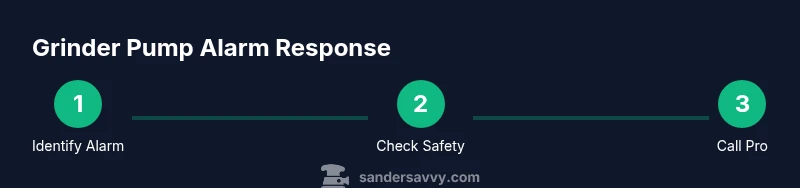
- Stop using water immediately to prevent further tank load. 2) Identify and note the alarm pattern, then verify power at the circuit breaker with a non-contact tester. 3) If safe, reset the pump only if the manual instructs you to and the power is isolated. 4) Check for obvious blockages at the inlet and discharge, using tools from the tools list without entering the tank. 5) If no improvement, shut off power to the unit at the breaker and call your utility or a licensed plumber. 6) Provide the technician with your alarm code, blockages observed, and any odors or flooding noted. 7) After service, test the system according to the manual before resuming normal water use. 8) Schedule routine maintenance to prevent future alarms.
When to call a professional and what to expect
If the alarm persists after basic checks, or if you notice sewage odors, flooding, or wet electrical components, contact a licensed plumber or your utility. Expect the technician to inspect electrical connections, the float switch, and the pump, as well as potential line blockages. They may test the pump operation, verify the tank level sensor, and check the discharge line for clogs. You’ll likely receive guidance on pump maintenance, system checks, and recommended interval testing to prevent repeats.
Preventive maintenance to reduce future alarms
Regular maintenance is key. Schedule annual or semi-annual inspections of the grinder pump system, including the float switch, wiring, and seals. Keep the area around the pit clean and dry to minimize debris intrusion. Avoid flushing large solids, fats, or non-biodegradables that could cause blockages. If you have a backup power option, ensure it’s tested and ready. Finally, maintain a simple log of alarm events, maintenance actions, and service dates to help future technicians diagnose issues quickly.
Documentation and testing after repair
After service, perform a controlled test to confirm the alarm is resolved. Refill the system gradually with water and monitor the pump’s response, listening for normal cycling without unusual sounds. Recheck the discharge line for leaks and ensure the area remains dry. Keep all service documentation, including the alarm codes and technician notes, for future reference. A clear post-repair test provides confidence and helps prevent unnecessary callbacks.